May 30, 2023
Ramadan, the holiest month of the year, is a time of fasting, reflection, and community. While this special time may have passed, the significance of Ramadan sweets and the pleasure they bring remain. These desserts are a symbol of the rich cultural heritage of the Arab world and can be enjoyed throughout the year.
_x000D_ _x000D__x000D_ _x000D_
Explore the significance of these mouthwatering treats and how they unite people through Ramadan and beyond.
_x000D_ _x000D_As the sun sets, Muslims worldwide gather with family and friends to break their day-long fast with a meal known as Iftar. Iftar desserts, including traditional Arabic sweets, are essential to this meal.
_x000D_ _x000D__x000D_ _x000D_
They provide a much-needed energy boost after a long day of fasting and serve as a symbol of the sweet reward for their devotion and self-control.
_x000D_ _x000D_The variety of Ramadan sweet dishes is a testament to the diverse culinary heritage of the Arab world. Some of the most popular Ramadan sweets include:
_x000D_ _x000D__x000D_ _x000D_
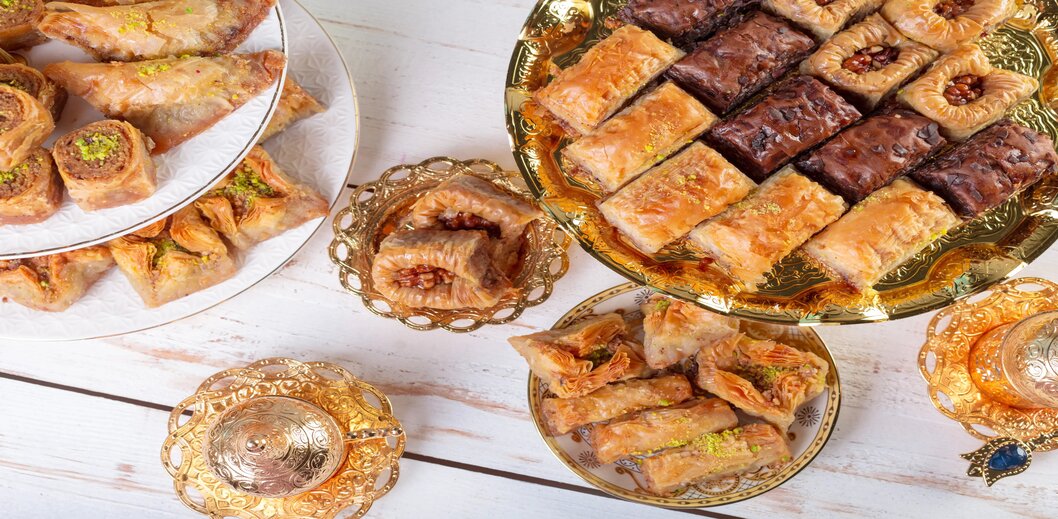
Baklava: A flaky pastry made with layers of filo dough, nuts, and honey.
_x000D_Kunafa: A sweet cheese pastry topped with syrup and crushed pistachios.
_x000D_Qatayef: A crescent-shaped dessert filled with sweet cheese or nuts and soaked in syrup.
_x000D_Ma’amoul: A crumbly biscuit filled with dates, nuts, or sweetened semolina.
_x000D_Basbousa: A popular Egyptian dessert made of semolina, sugar, and coconut, soaked in sweet syrup and topped with almonds or pistachios.
_x000D_Halawet El-Jibn: A Lebanese dessert made with a thin layer of cheese dough filled with clotted cream and sugar syrup, rolled up, and then sliced into pieces.
_x000D__x000D_ _x000D_
Each of these Arabic pastries has a unique flavour and texture, ensuring that there's something for everyone to enjoy.
_x000D_ _x000D_Throughout the Arab world, different regions have their unique spin on classic Ramadan sweets. Here are some of our favourite picks of Ramadan sweets across the Arab world:
_x000D_ _x000D__x000D_ _x000D_
In North Africa, you'll find almond-based sweets like Briouat, a triangular pastry filled with almonds, sugar, and orange blossom water.
_x000D_In the Levant region, Namoura is a moist semolina cake soaked in syrup and flavored with rosewater.
_x000D_Jordan has Atayef Asafeeri, a variation of Qatayef filled with sweetened cream and nuts instead of cheese.
_x000D_In Yemen, Bint Al Sahn is a layered pastry made with honey and ghee, often served during special occasions like Ramadan.
_x000D_Oman has Halwa, a dense, sticky dessert made with sugar, rosewater, and often flavored with nuts like cashews or almonds.
_x000D_Gulf countries have Luqaimat, a small, deep-fried dough ball drizzled with syrup and sprinkled with sesame seeds or cardamom.
_x000D_Saudi Arabia has Aish Al Saraya, a bread pudding made with Arabic bread, sugar syrup, and cream.
_x000D__x000D_ _x000D_
These regional variations showcase the diverse culinary landscape of the Arab world and offer endless opportunities for discovery.
_x000D_ _x000D_Preparing Ramadan desserts is often a communal activity that brings family and friends together. This fosters a sense of togetherness and allows the younger generation to learn from their elders and carry on the tradition of making these beloved sweets.
_x000D_ _x000D_The time and effort that goes into making these delicacies express love and hospitality towards one's guests. The art of making traditional Arabic sweets involves a lot of patience, skill, and attention to detail. Each pastry has its unique preparation method, with some taking hours or even days to make.
_x000D_ _x000D_Baklava, for example, can be a painstaking process. It involves carefully layering sheets of filo dough, brushing them with butter or ghee, and then adding a mixture of nuts and spices between the layers. The pastry is then cut into diamond shapes before being baked and drenched in sweet syrup.
_x000D_ _x000D_Despite the time and effort involved in making these sweets, the end result is always worth it. The smell of freshly baked pastries and the taste of sweet syrupy goodness is an integral part of Ramadan traditions, and they add to the festive atmosphere of the holy month.
_x000D_ _x000D_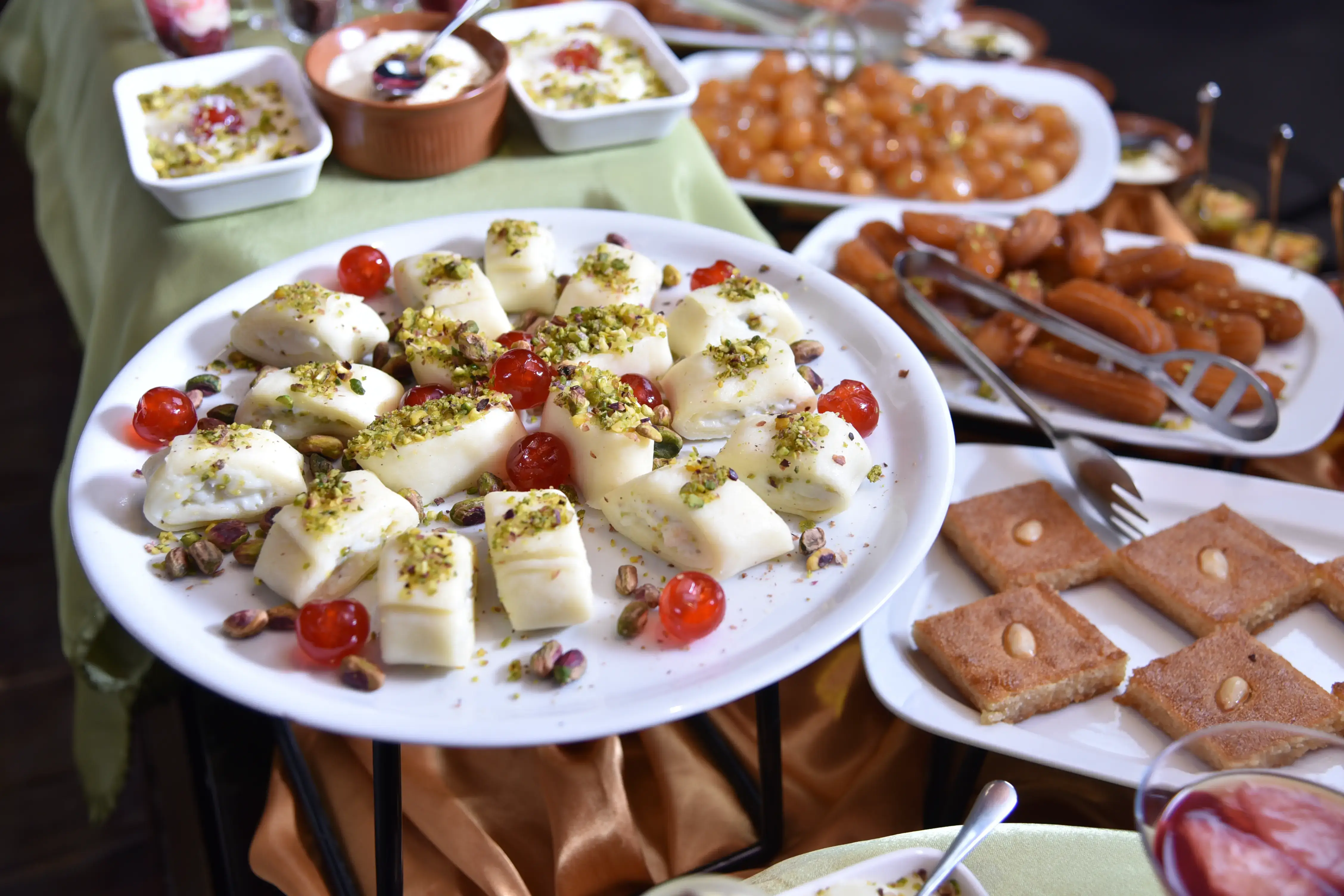
Sharing Ramadan sweet dishes with neighbours, friends, and the less fortunate is a long-standing tradition in the Arab world. This practice fosters a sense of community and emphasises the importance of charity during the holy month.
_x000D_ _x000D__x000D_ _x000D_
Gifting these delicious treats is a gesture of goodwill and a way to spread joy and happiness during this special time.
_x000D_ _x000D_While these delicious desserts are often associated with the holy month of Ramadan, their significance extends beyond this time.
_x000D_ _x000D__x000D_ _x000D_
Many people enjoy Ramadan sweets during other celebrations, such as Eid al-Fitr and Eid al-Adha, or simply to satisfy their sweet tooth throughout the year. Ramadan sweets are made all year round, so you can visit any Arabic bakery of your choice and indulge.
_x000D_ _x000D_Now that we have explored the significance of Ramadan sweets and their role in the Arab world, it's time for you to indulge in these delightful treats yourself. Visit Nakheel Mall in Dubai to discover an array of appetising Arabic pastries and traditional sweets that will transport you to a world of flavour and tradition.
_x000D_ _x000D__x000D_ _x000D_
With the best desserts in Dubai under one roof, Nakheel Mall is the perfect destination for an enticing journey through the rich culinary heritage of the Arab world. Hint: the most popular spot is Basboussa Sweets located in Depachika Food Hall! Treat yourself to a taste of tradition and create unforgettable memories with your loved ones at Nakheel Mall.
_x000D_Related Posts